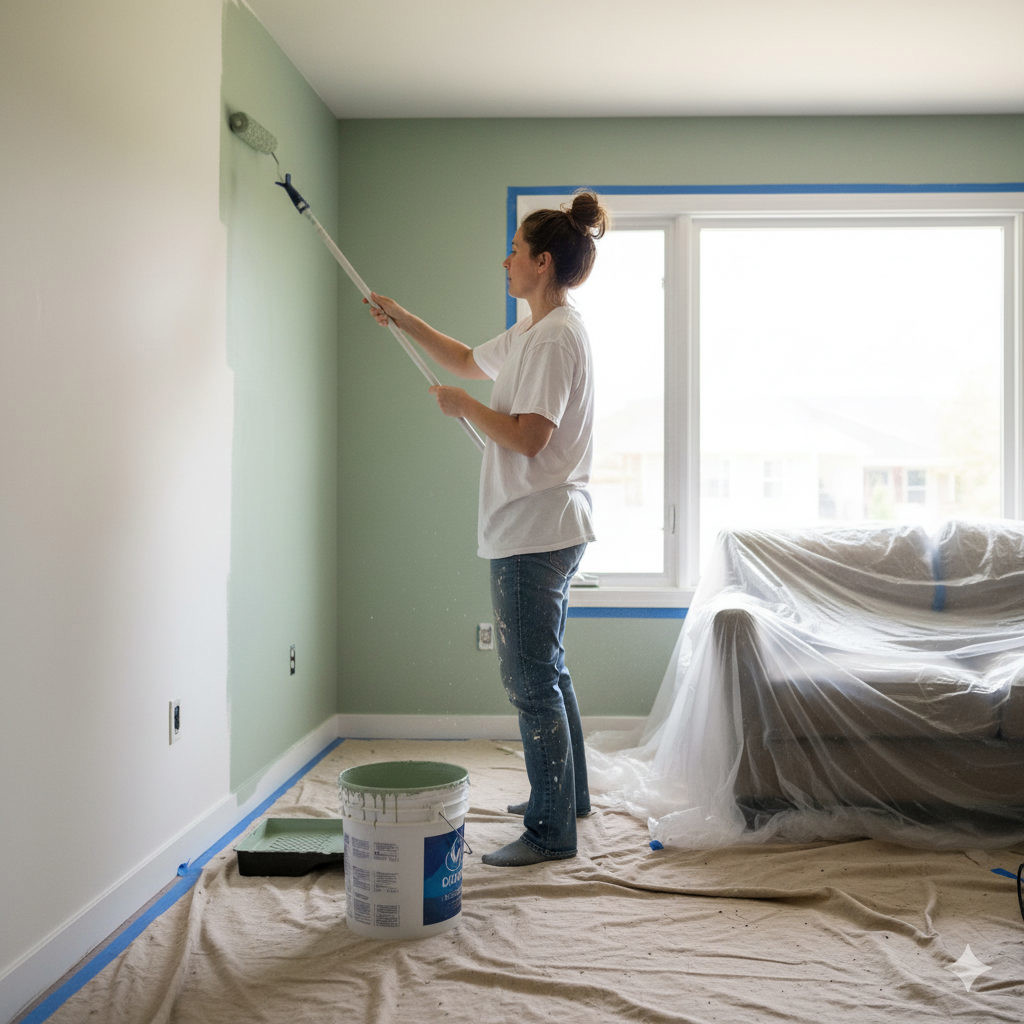
The minute someone starts thinking about selling, the repair list tends to grow. Paint every room. Replace the flooring. Update the kitchen. Fix every little thing a buyer might notice.
But not everything on that list deserves your time or your money.
Before you start hiring contractors, it helps to ask a different question: Which improvements are likely to make a meaningful difference in how buyers see this particular house, at this particular price, at this particular time?
Start with what could worry a buyer
A loose doorknob and an active roof leak are not the same kind of problem.
Some issues affect safety, insurance, financing, or whether a buyer feels comfortable moving forward. Others are largely cosmetic. There are also things that matter mainly because of the competition: what buyers expect from other homes in the same price range.
Start by getting a realistic picture of the condition. If you know of an issue, don’t hide it under fresh paint or assume it won’t matter. Applicable disclosure obligations and the terms of the sale still apply.
The goal isn’t a perfect house. It’s an informed decision about what to address and how to price what remains.
Don’t renovate just because the house looks dated
A kitchen can be clean, functional, and very much from another decade. That doesn’t automatically mean it needs a full remodel before listing. Some buyers actually like that kind of thing.
A buyer may prefer to choose their own cabinets and countertops. Another buyer may want a move-in-ready home and have no interest in taking on a project. Both are part of the market.
The question is which group your home is most likely to attract, and whether the cost and time of updating it are likely to change the outcome enough to justify the work.
Spending $25,000 on improvements doesn’t guarantee a $25,000 increase in the sale price. It can also mean weeks of work, extra holding costs, and decisions you really didn’t want to make.
Sometimes smaller changes do more
Depending on the house, a thorough cleaning, repairing an obvious defect, touching up damaged paint, improving lighting, or making the yard easier to see can help buyers focus on the property instead of the to-do list. A good cleaning doesn’t add value so much as help preserve it. Think about trading in your car: showing up with it dirty and full of clutter won’t do you any favors. A house is no different.

Photography matters, too. Today’s phone cameras can do a great job, but in most situations, I recommend using a professional real estate photographer—even for houses that need a lot of work. A room doesn’t have to be fully updated to photograph well, and good photography helps buyers see the space clearly without pretending it’s something it isn’t. Virtual renovation and/or staging can help show the potential of a room or the whole house.
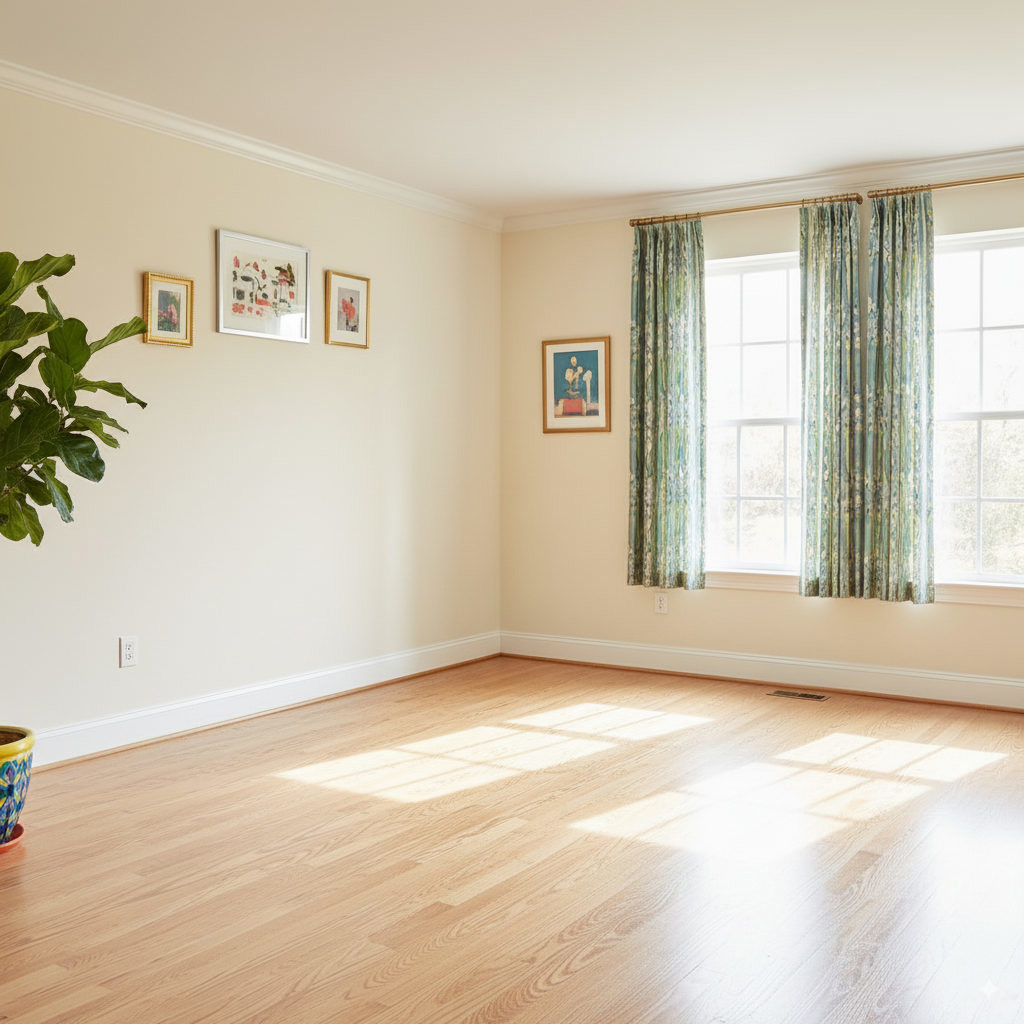

But be selective. A long list of cosmetic projects can become expensive without changing the property’s likely buyer pool.
Compare the likely net outcome, not just the selling price
Suppose one approach involves several weeks of repairs and a higher expected asking price. Another is to list the house in its present condition, with honest pricing that accounts for the work. Might be a good idea to get some estimates for various projects to show prospective buyers so they don’t include the “aggravation factor” when trying to estimate how much something will cost.
To compare them, include more than the possible selling price: contractor costs, time, additional utilities and mortgage payments, any buyer concessions, and the risk that the hoped-for price won’t materialize.
A higher selling price isn’t always a better outcome
I worked with three siblings who received a couple of cash offers before listing their property. They knew an as-is sale was an option, but chose to make improvements, mostly cleaning and cosmetic and pursue a higher sale price. By the time everything was finished, they’d spent more than $70,000.
The house ultimately sold to someone who planned to live there, and we came pretty close to the asking price. Sounds like a success, doesn’t it?
And it was. After accounting for the renovation costs, they did come out a little ahead of what they would have received from an as-is cash offer. But getting there meant considerably more time, coordination, and aggravation.
They knew their options and made the choice that felt right to them. Some sellers would gladly put in that extra effort for a little more money. Others would take the cash offer and skip the work. Neither choice is automatically better; what matters is understanding the likely net proceeds, the time involved, and how much effort you’re willing to take on.
There’s no universal answer. For one seller, a few targeted repairs could make sense. For another, avoiding the renovation altogether may be the better decision.
Selling as-is is still a real option
An as-is home can be marketed publicly. It doesn’t automatically have to be sold to an investor, and it doesn’t automatically mean accepting the first cash offer.
Some buyers are perfectly comfortable updating a home over time. Others want the finished product.
A direct cash offer can also be worth comparing, particularly when timing or avoiding preparation matters most. What counts is whether the terms fit your priorities.
I explain those options on my Sell Your House As-Is or for Cash page.
Before you spend the money
If you’re considering selling in Old Hickory, Hermitage, Donelson, Madison, or elsewhere around Nashville, it’s worth looking at your house and the competition before you commit to expensive improvements.
You may discover that some work is worthwhile, some can wait, and some isn’t necessary at all.
If you’d like to talk through the possibilities, tell me a little about the property and what you’re hoping to accomplish. We can start with the numbers and the practical trade-offs, rather than a renovation shopping list.