Nashville city guide
Living in Nashville, Tennessee
Nashville isn’t one lifestyle, one housing market, or one kind of neighborhood.
A downtown condo, an older brick ranch, a newer townhome, a tall-and-skinny infill home, and a house on a larger lot can all have a Nashville address and give you completely different day-to-day lives.
The better place to start is with what you need your normal week to look like, then work backward to the neighborhoods and homes that support it.
WHY PEOPLE LOOK AT NASHVILLE
A Lot of Different Ways to Live
Nashville gives you a broad range of housing, neighborhood styles, commute patterns, and everyday routines.
Some buyers want restaurants and activity nearby. Others want a quieter residential street, one-level living, more yard, easier parking, or quicker access to the airport.
There isn’t one “Nashville lifestyle.” There are a lot of versions of it.
Connected
Downtown, BNA, I-40, I-24, I-65, Briley Parkway, Ellington Parkway, and the major surface roads all shape how different parts of Nashville work.
Housing Variety
Older homes, condos, townhomes, suburban-style neighborhoods, infill construction, ranches, cottages, and newer planned communities all show up across the city.
Daily-Life Fit
The right neighborhood depends less on what’s popular and more on where you go, what you want from the house, and how you want your week to feel.
HOUSING AND PROPERTY DETAILS
Nashville Housing Comes in Just About Every Form
Nashville’s housing stock reflects decades of growth. Depending on where you look, you may find historic homes and cottages, brick ranches and mid-century houses, condos and townhomes, newer infill, suburban-style subdivisions, tall-and-skinny homes, and older houses on larger lots.
Every housing type comes with its own questions.
Older homes may give you mature trees, character, larger lots, and layouts you won’t find in newer construction. They can also bring plumbing, electrical, roofing, drainage, crawlspace, window, and renovation issues.
Newer construction may give you more current systems and floor plans, but it still needs a careful inspection. Drainage, warranties, HOA rules, lot configuration, and future development around the property can matter just as much as the age of the home.
Condos and townhomes add another layer: dues, reserves, assessments, parking, pet rules, rental restrictions, and what the association actually maintains.
CHOOSING WHERE TO LIVE
Start With Your Life, Not the Neighborhood Name
Popular neighborhood lists can be useful, but they’re a terrible way to choose a house.
Start with the things that affect you every week: your budget, commute, preferred housing type, maintenance tolerance, and the kind of routine you want.
Someone who wants a walkable condo and restaurants nearby is solving a completely different problem from someone looking for a one-level ranch with a yard and easy parking.
A frequent traveler may care more about BNA access. Someone who works from home may care more about errands, green space, and what’s nearby on a normal weekday.
Those decisions will narrow the map faster than chasing whatever neighborhood happens to be getting the most attention online.
TRANSPORTATION AND COMMUTE
Mileage Can Be Misleading
Nashville traffic has a way of making ten miles feel like a very flexible measurement.
Road construction, direction of travel, time of day, and the route itself can completely change the experience. A neighborhood may look close to downtown on a map and still give you a commute you’re tired of before the first month is over.
If commute matters, drive the actual route when you’d normally use it. The same goes for airport access if you travel frequently.
Downtown Access
Being closer to downtown doesn’t automatically mean an easier drive. The route matters.
Airport Access
BNA can be a huge convenience, but properties closer to the airport or certain flight paths may also experience aircraft noise.
Your Routine
Think about work, school, errands, appointments, grocery runs, and the places you’ll actually go—not just the one destination you typed into the map.
WEATHER AND OWNERSHIP COSTS
The House Has to Work in Nashville Too
Nashville has hot, humid summers, occasional winter weather, heavy rain, and enough temperature swings to keep HVAC systems busy.
Weather can affect landscaping, drainage, utilities, roofing, crawlspaces, and how much time you actually spend outdoors.
And the purchase price is only one part of what a house costs. Taxes, insurance, HOA dues, maintenance, expected repairs, and even transportation costs can make two similarly priced homes feel very different once you own them.
The cheapest house isn’t always the least expensive house to live in.
LOCAL PLACES AND EVERYDAY NASHVILLE
Nashville Is More Than Lower Broadway
Music is obviously part of Nashville, but daily life here is much bigger than downtown tourism.
Music is written, recorded, produced, and performed all over the area. Berry Hill is a good example, with recording studios, production businesses, restaurants, and older homes packed into a small area.
The food scene is just as varied. Hot chicken and barbecue get the headlines, but you’ll also find meat-and-three restaurants, international food, bakeries, neighborhood coffee shops, food halls, and chef-driven restaurants depending on where you are.
And the mix changes quickly from one part of the city to another.

NASHVILLE NEIGHBORHOODS
A Quick Look at Some of Nashville’s Different Areas
Nashville changes pretty quickly from one part of town to another. These aren’t the only neighborhoods worth looking at, but they give you a good idea of just how different your options can be.
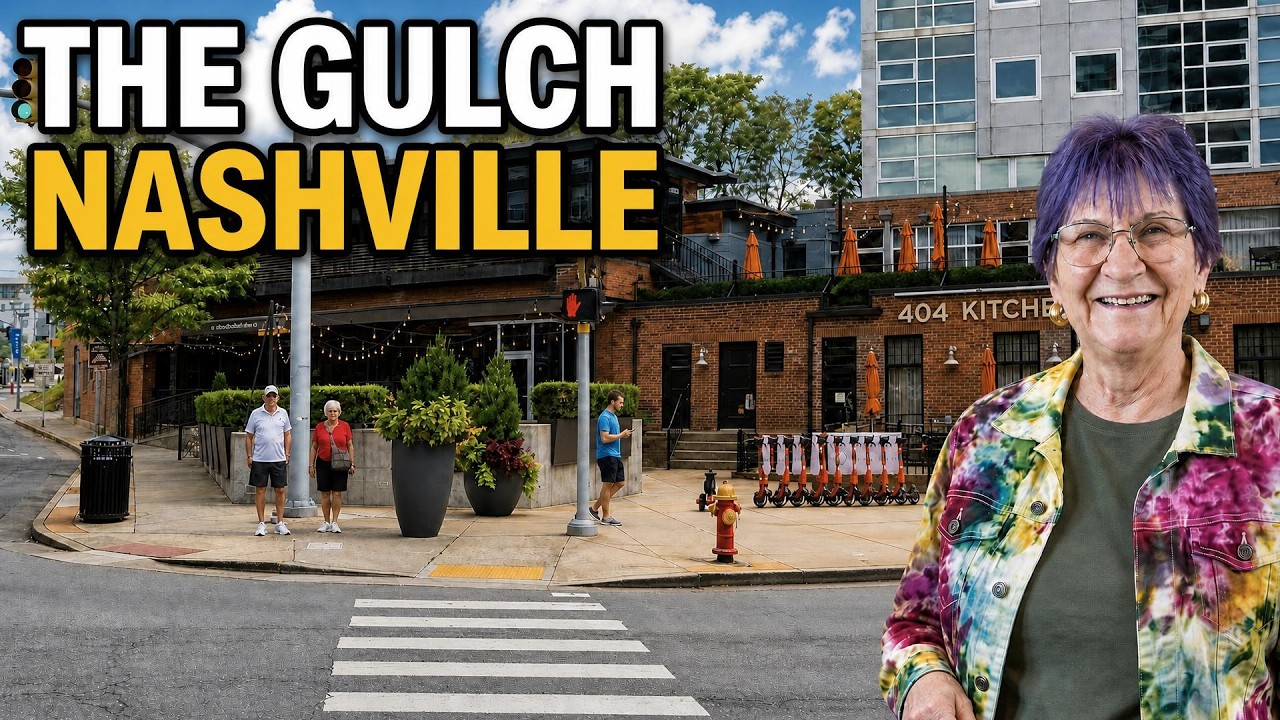
The Gulch
Just south of downtown, The Gulch is dense, urban, and very walkable by Nashville standards. Housing is mostly condos and apartments, with restaurants, shops, fitness studios, and nightlife right outside your door.

Capitol View
On the northwest edge of downtown, Capitol View is a newer mixed-use district with condos, apartments, offices, restaurants, and retail. It feels more planned and modern than some of Nashville’s older neighborhoods.

Germantown
Just north of downtown, Germantown mixes historic homes with newer condos, townhomes, apartments, restaurants, and parks. It’s one of the closer-in neighborhoods where older Nashville and newer development sit right next to each other.
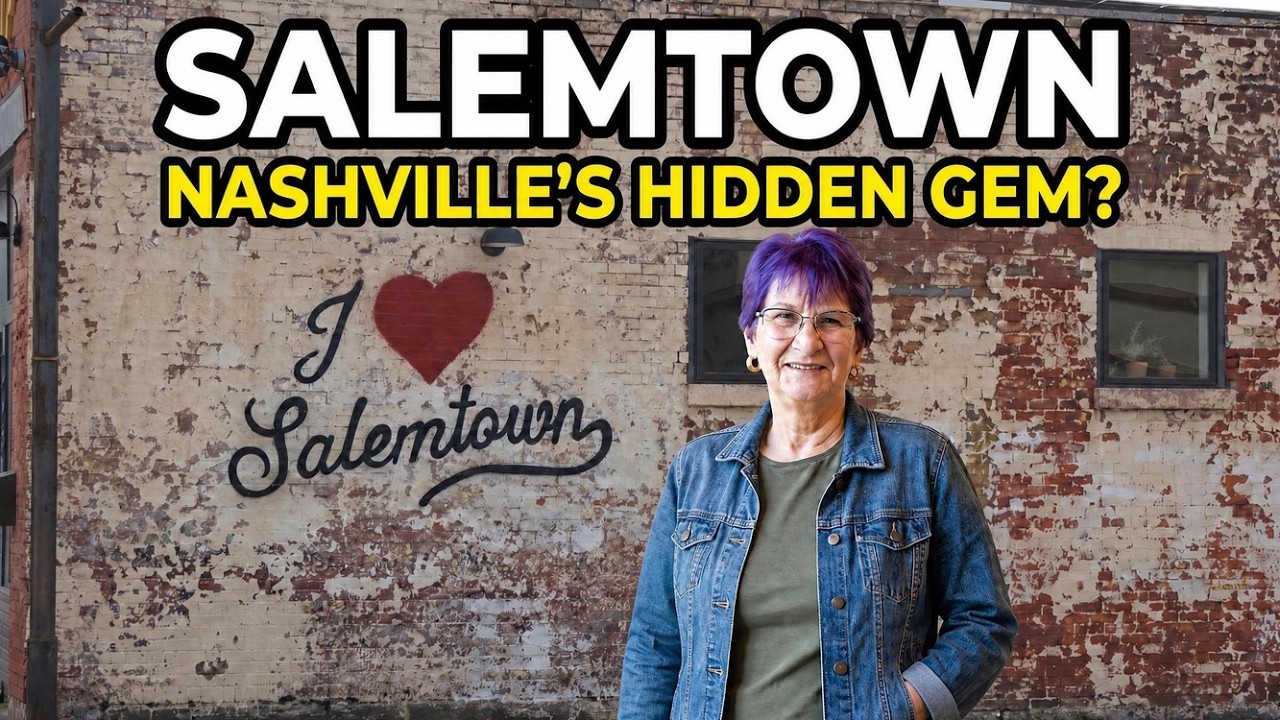
Salemtown
Next to Germantown and just north of downtown, Salemtown is more residential in feel. You’ll find older homes mixed with newer infill, townhomes, and tall-and-skinny construction.

SoBro
South of Broadway and downtown, SoBro is mostly urban housing, hotels, entertainment, and newer development. Condos and apartments dominate, and the location puts you close to downtown events without being directly on Lower Broadway.

Wedgewood-Houston (WeHo)
South of downtown, Wedgewood-Houston has changed quickly over the last several years. You’ll find older homes, newer infill, apartments, creative businesses, restaurants, and redevelopment mixed together.
The Nations
West of downtown, The Nations combines older cottages and modest homes with a lot of newer construction, townhomes, and tall-and-skinny infill. It has a growing restaurant and brewery scene and easy access toward Charlotte Pike and I-40.
Sylvan Park
West of downtown and closer in than The Nations, Sylvan Park has a more established residential feel with cottages, bungalows, older homes, mature trees, and some newer construction mixed in. Restaurants and local businesses cluster around Murphy Road and nearby corridors.
Woodbine
South of downtown, Woodbine has older cottages, ranches, renovated homes, and newer infill. It’s close to Nolensville Pike, where you’ll find one of Nashville’s most varied restaurant corridors, along with relatively easy access toward downtown.
Inglewood
Northeast of downtown and just beyond East Nashville, Inglewood has a mix of brick ranches, cottages, older homes, larger lots in some pockets, and newer infill. It tends to feel more residential than the busier parts of East Nashville while still keeping you fairly close in.
East Nashville
Across the river from downtown, East Nashville covers a large area with everything from historic homes and cottages to newer infill, townhomes, condos, and apartments. Restaurants, music venues, coffee shops, and local businesses are a big part of the area, but housing and feel can change considerably from one pocket to another.
12 South
South of downtown near Belmont and Sevier Park, 12 South mixes older homes, renovated properties, newer construction, shops, restaurants, and one of Nashville’s better-known walkable commercial strips.
Belmont-Hillsboro
Between Vanderbilt, Belmont University, and 12 South, Belmont-Hillsboro has older homes, bungalows, historic properties, and some newer infill. It’s close to restaurants and universities while still having plenty of residential streets.
Midtown and Music Row
Just west of downtown, Midtown and Music Row are denser and more urban, with condos, apartments, offices, hotels, restaurants, and Nashville’s music-business presence woven throughout the area.
Green Hills
Southwest of downtown, Green Hills offers condos, townhomes, older homes, larger renovated properties, and newer luxury construction. The area is known for shopping and services along Hillsboro Pike, but traffic can be part of the tradeoff.
That’s still only a sample. Nashville also includes Bellevue, Crieve Hall, West Meade, Bordeaux, Whites Creek, Donelson, Hermitage, Madison, Old Hickory, and plenty of smaller pockets that don’t always show up on the standard relocation lists.
The point isn’t to memorize neighborhood names. It’s to figure out which part of Nashville gives you the housing, location, commute, and everyday routine you actually want.
MAKE THE DECISION PROPERTY BY PROPERTY
What Buyers and Sellers Should Consider
Buying in Nashville
Before touring, narrow your priorities enough that every showing teaches you something.
- Comfortable budget, not just lender maximum
- Commute and regular destinations
- Preferred housing type
- Maintenance or renovation tolerance
- HOA comfort level
- Daily routine and lifestyle priorities
Then compare the property inside that framework.
The best house usually isn’t the one with the best listing photos. It’s the one whose location, condition, cost, and daily routine still make sense after the excitement of the showing wears off.
Plan Your Home PurchaseSelling in Nashville
Nashville isn’t one uniform seller market either.
An older ranch, a newer infill home, a condo, and a suburban-style property may all have Nashville addresses while competing with completely different listings.
Pricing should account for the neighborhood, housing type, condition, lot, layout, updates, and what buyers can actually choose from at the same price.
The useful question isn’t simply, “What did the closest house sell for?” It’s “What properties will today’s buyer realistically compare with mine?”
Plan Your Home SaleA CLOSER LOOK
Which Version of Nashville Fits You?
Nashville gives you a lot of choices, but those choices come with tradeoffs.
You may get more walkability and less yard, more space and a longer drive, an older home with character and more maintenance, or a newer home with an HOA and a smaller lot.
There isn’t one right answer.
CHOOSE YOUR NEXT STEP
Talk Through Your Nashville Move
Bring your questions about neighborhoods, commute, housing types, property condition, pricing, or preparing to sell. We can narrow the options and figure out what makes sense.