Real Estate Wire Fraud Is Getting Harder to Spot, Especially With AI
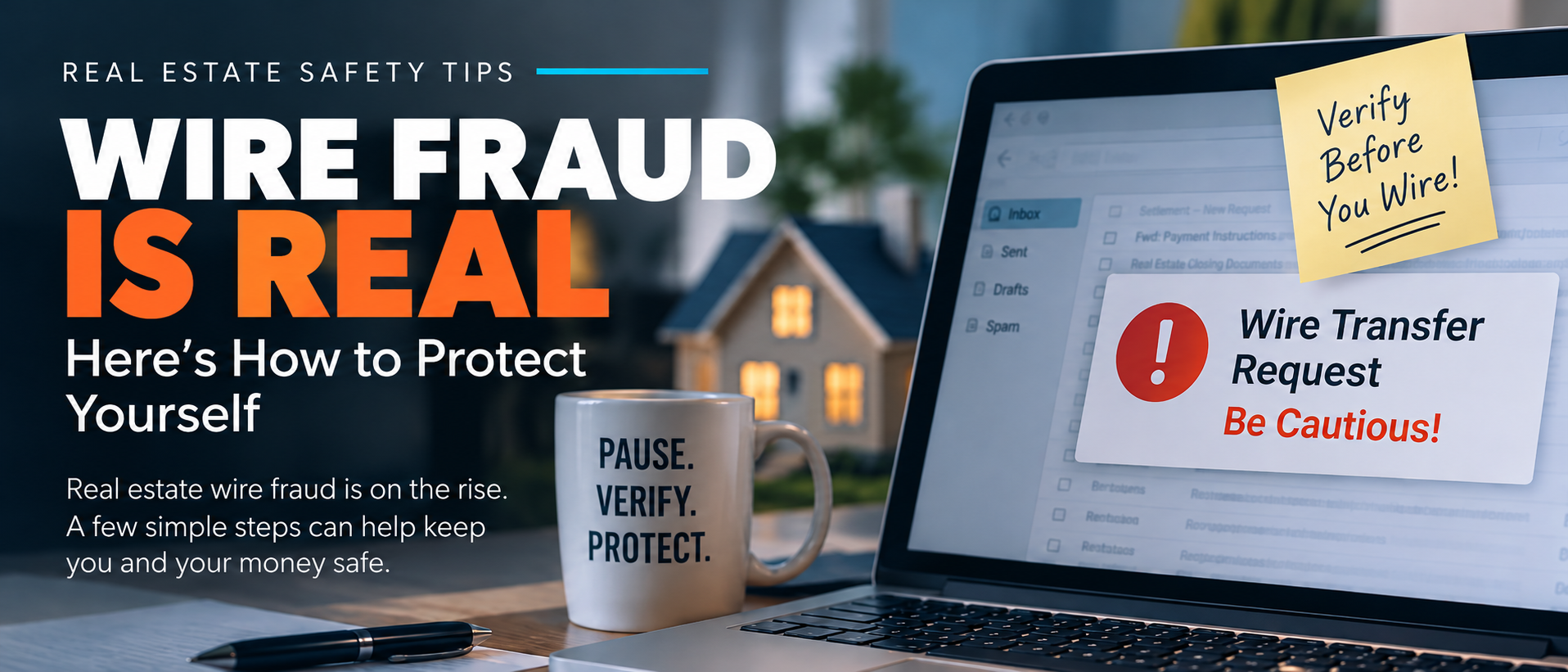
If you're buying or selling a house, here's something worth knowing before you get close to closing: real estate wire fraud isn't new, but AI has made it much more convincing. And sometimes the scam doesn't start with fake wiring instructions. It starts much earlier, with someone trying to get access to your computer or accounts.
The Inquiry That Made Me Stop and Look Closer
I recently got an inquiry from someone using the name "Marcia Moon." I've seen enough shady messages to be cautious by default, so I Googled the name first. Nothing suspicious came up. No warnings, no other agents flagging her. So I kept going, carefully.
Marcia wanted to see a property and mentioned setting up a Zoom call with her husband. Before scheduling anything, I asked for ID, proof of funds, and a phone number. She said she'd email the proof of funds, and that her grandson would send her driver's license separately.
That email arrived with a Dropbox link supposedly containing the license. When I clicked it, a Zoom download tried to start immediately, even though the file was supposed to be an ID, not a meeting link. I closed it right away.
Then the "proof of funds" email came in, also asking me to download something rather than just view an attachment. That was enough. I told Marcia I wouldn't be downloading anything and asked her to put the information directly in the email body. I never heard from her again.
Other Agents Had the Same Experience
After I posted about it on social media, other agents reached out. Some were from opposite ends of the country and had received nearly identical inquiries. They'd searched the name too and, like me, found nothing. The pattern only became visible once a few of us compared notes.
Why Would Someone Want Into an Agent's Inbox?
Probably not to see the house. Real estate transactions are full of valuable details: names, closing dates, title company contacts, money discussions. Someone with quiet access to that information can watch a deal unfold and strike at the perfect moment: an email that looks like it's from the title company or the agent, sometimes even appearing inside a real email thread, saying wiring instructions have changed.
For a cash buyer, that can mean the entire purchase price disappears in one transfer.
AI Has Killed the Old Warning Signs
The old advice to watch for bad grammar and awkward phrasing doesn't hold up anymore. AI can write polished, natural-sounding emails using real names and real transaction details, if a scammer already has them.
So the right question isn't "does this email look real?" It's "did I verify this independently?"
Title Companies Really Do Email Wiring Instructions
That's what makes this tricky. Receiving instructions by email isn't itself a red flag. What matters is verification.
Early in your transaction, save your title company's actual phone number and contact person in your phone before you ever need it. Then, when wiring instructions show up, call that number, not one from the email, and confirm before sending anything.
If you're ever told the instructions "changed," treat that as a reason to stop, not to hurry.
Watch for Urgency
Phrases like "send this immediately" or "the account changed" are pressure tactics. Real estate deals do have real deadlines, but none of them are worth skipping a two-minute verification call when the amount on the line is your down payment or your entire purchase price.
If You Think You Already Sent Money to the Wrong Account
Act fast. Call your bank immediately, then your title company and agent. You can also report it to the FBI's Internet Crime Complaint Center at IC3.gov. Speed is everything here.
The Bottom Line
You don't need to be a cybersecurity expert to buy or sell a home. You just need one habit: never trust wiring instructions because the email looks legitimate. Verify them through a number you already know is real.
AI can make scams look better. It can't make a phone call any less effective.
If you're buying or selling around Nashville and have questions about what to expect, I'm happy to help.